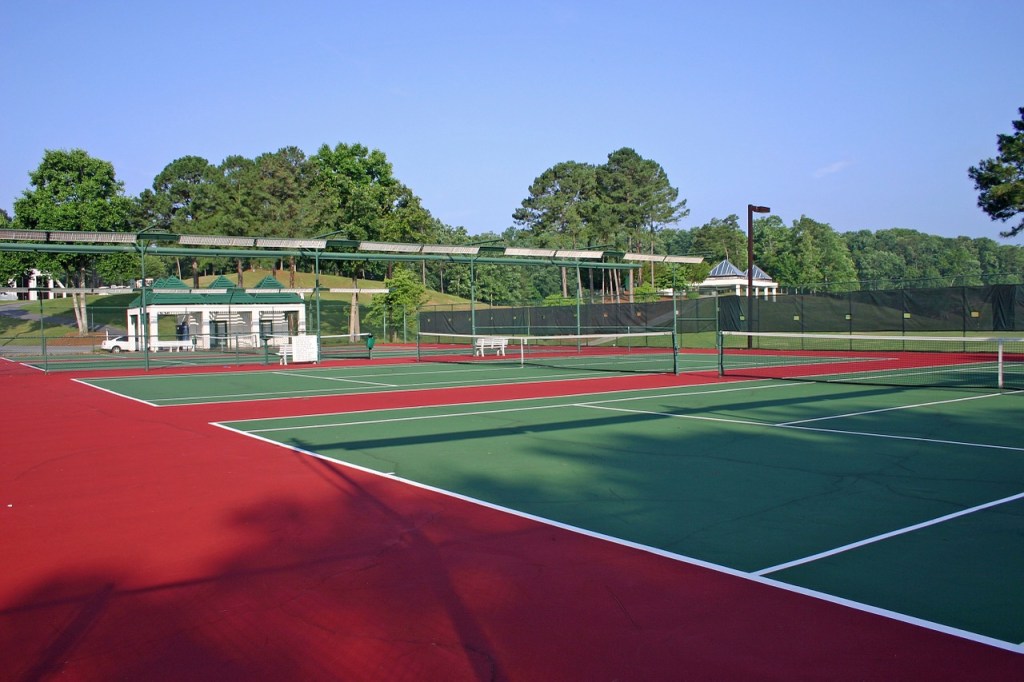
There’s something quietly magical about a well-made tennis court. You feel it the moment your shoes touch the surface — the bounce is true, the grip feels right, and the space somehow invites you to play better. What most players don’t see, though, is how much thought, experience, and craftsmanship goes into creating that feeling. A tennis court isn’t just poured concrete or rolled acrylic. It’s a carefully built environment, shaped by people who understand both construction and the game itself.
I’ve spoken to players, coaches, facility managers, and builders over the years, and the consensus is always the same: when a court is done right, you stop thinking about it. When it’s done poorly, you can’t think about anything else.
That’s where experienced tennis court makers quietly earn their reputation. They’re not just contractors ticking boxes. They’re problem solvers, surface specialists, and often, unsung contributors to the quality of play.
More Than Lines on the Ground
At first glance, a tennis court looks simple. Rectangles, nets, and lines measured to the millimetre. But beneath that simplicity is a stack of decisions that can make or break the final result. Soil conditions. Drainage. Climate. Usage frequency. Even the type of players expected to use the court — juniors, professionals, casual club members — all influence how a court should be built.
Good builders don’t rush these decisions. They ask questions. They walk the site. They think long-term. A court that looks perfect on day one but cracks or fades within a year is never a success, no matter how cheap it was to build.
That’s why quality-focused projects usually start with collaboration, not construction.
Choosing the Right Surface Is Personal
Hard courts, clay courts, synthetic grass — every surface has a personality. Hard courts are predictable and durable, but they’re tough on the joints. Clay slows the game down and forgives movement mistakes, but it demands constant maintenance. Synthetic surfaces sit somewhere in between, offering flexibility and comfort when done properly.
A responsible tennis court manufacturer doesn’t push a one-size-fits-all solution. Instead, they help clients understand trade-offs. How much maintenance are you willing to handle? How intense will daily usage be? Is this court for competition, coaching, or relaxed weekend matches?
These conversations matter. They shape how the court will feel not just this year, but five or ten years down the line.
Craftsmanship You Can Feel Under Your Feet
Some of the best courts I’ve played on didn’t look flashy. No bold colours or dramatic finishes. But the ball bounced cleanly. Footing felt secure even during quick direction changes. There were no dead spots, no awkward slopes, no puddles after rain.
That level of consistency doesn’t happen by accident. It comes from patience during base preparation, precision during surfacing, and restraint when finishing. Ironically, the best work is often invisible.
This is where experience shows. Builders who’ve spent years refining their process know when to slow down, when to adjust, and when to say no to shortcuts.
The Installation Phase Is Where Truth Lives
A lot of promises get made before construction begins. But the real test comes during tennis court installation, when plans meet reality. Weather shifts. Ground behaves differently than expected. Timelines get tight. This is where professionalism matters most.
Strong teams communicate clearly when adjustments are needed. They don’t hide problems or rush solutions. Instead, they solve issues while keeping the end goal intact: a court that performs exactly as intended.
Clients often remember this phase more than anything else. Not because of stress, but because it shows whether the people building the court truly care about the outcome.
Maintenance Starts on Day One
One mistake people make is thinking maintenance begins after handover. In reality, it starts the moment the surface goes down. Cure times, cleaning schedules, line care — all of these early habits influence how long the court will last.
The best builders educate their clients. They don’t just hand over keys and disappear. They explain what to do, what to avoid, and when to call for help. This guidance saves money and frustration later on.
A well-maintained court doesn’t just last longer; it plays better year after year.
Why Cheaper Isn’t Always Smarter
Budget matters. No one denies that. But in court construction, the cheapest quote often ends up being the most expensive choice long-term. Repairs, resurfacing, downtime — these costs add up quickly.
What you’re really paying for with quality builders is peace of mind. Confidence that the court won’t need constant fixes. Trust that materials used were appropriate, not merely available. Assurance that the people involved have built courts before — and learned from mistakes along the way.
In many cases, spending a little more upfront saves a lot later.
Courts That Build Communities
A tennis court isn’t just a playing surface. It’s a gathering place. Juniors learn discipline there. Friends compete, laugh, and sometimes argue over line calls. Tournaments create memories that last years.
When a court is inviting, people use it more. When it’s safe and consistent, players improve. And when it’s built thoughtfully, it becomes part of the community rather than just another facility.
This is something the best builders understand deeply. They’re not just delivering a structure; they’re contributing to experiences.
A Quiet Pride in Doing It Right
The people who build great tennis courts rarely shout about it. Their work speaks instead — through solid footing, honest bounce, and surfaces that age gracefully. You might not remember who built your favourite court, but your body remembers how it felt to play there.
 Site Title