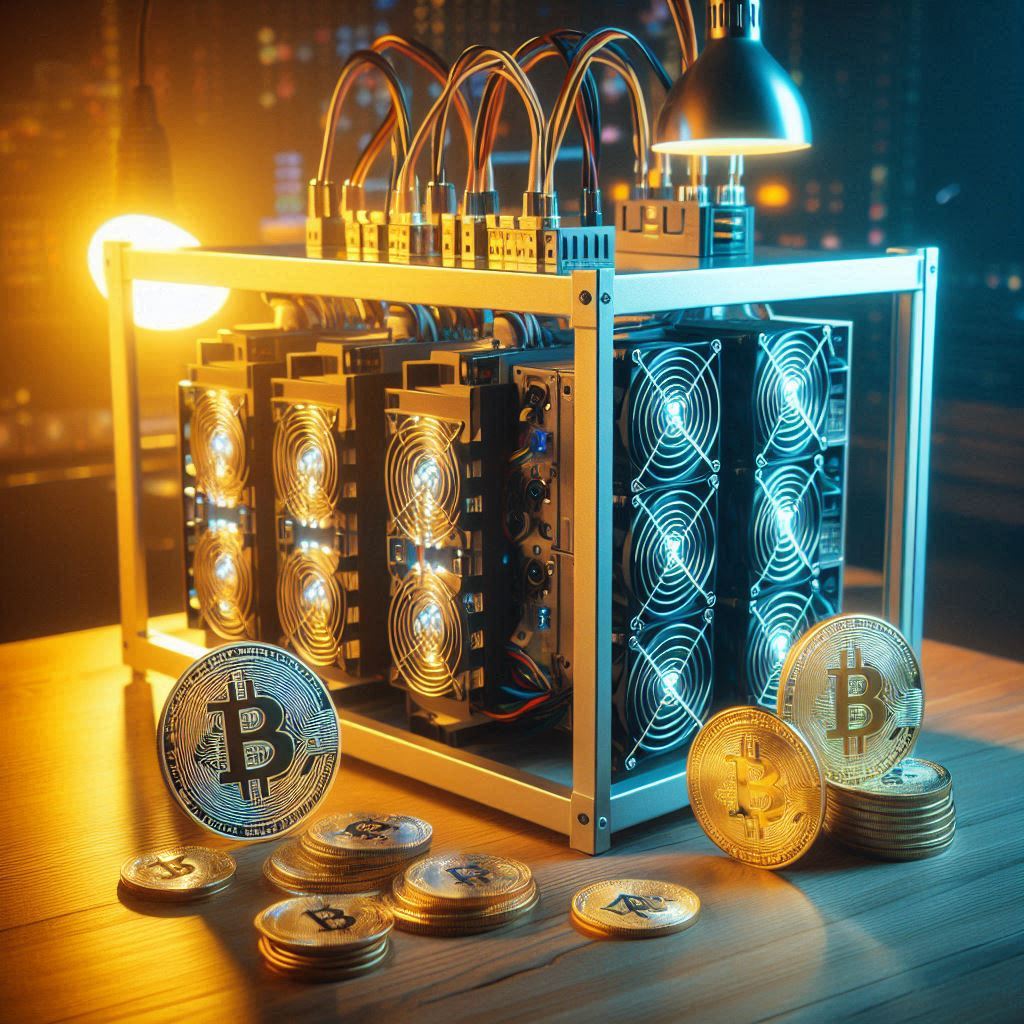
In recent years, cryptocurrency has gone from a niche interest to a global financial phenomenon. With digital currencies like Bitcoin, Ethereum, and Litecoin gaining widespread attention, a particular process known as “mining” has become central to the conversation. At the heart of this process lies the crypto miner—a critical component in maintaining the integrity and functionality of blockchain networks.
This article will explain what a crypto miner is, how it works, the types of mining methods, equipment used, profitability, and the potential risks and rewards involved.
What is a Crypto Miner?
A crypto miner is either a person or a machine that validates transactions and adds them to a blockchain ledger. In return for this service, the miner is rewarded with newly created coins and transaction fees. Essentially, miners play the role of bookkeepers in the cryptocurrency world, ensuring all transactions are legitimate and that no digital coins are spent twice.
Crypto mining isn’t limited to individual enthusiasts anymore. Today, mining operations can range from small home-based setups to massive industrial-scale farms packed with thousands of high-performance machines.
How Crypto Mining Works
Crypto mining involves solving complex mathematical problems using computing power. These problems, also known as cryptographic hashes, are part of a system called “proof of work” (PoW). When a miner successfully solves one of these problems, they’re allowed to add a new block to the blockchain and receive a reward.
The more computational power a miner has, the better their chances of solving the problem first and earning the reward. This is why mining has become increasingly competitive and hardware-intensive over time.
Types of Crypto Mining
There are several different ways to mine cryptocurrency, each with its own advantages and limitations:
1. CPU Mining
This is the most basic form of mining, which uses a computer’s central processing unit. CPU mining is largely obsolete today because it’s too slow and inefficient for most modern cryptocurrencies.
2. GPU Mining
Graphics Processing Units (GPUs) are far more efficient than CPUs at handling the repetitive tasks involved in mining. GPU mining became especially popular for Ethereum and other altcoins.
3. ASIC Mining
Application-Specific Integrated Circuits (ASICs) are custom-built machines designed for one purpose—mining. They are incredibly efficient but expensive. ASIC mining is most commonly associated with Bitcoin.
4. Cloud Mining
Cloud mining allows users to rent mining power from data centers. This is an attractive option for people who don’t want to deal with hardware or maintenance. However, cloud mining can be risky due to the prevalence of scams in this space.
Essential Mining Equipment
The success of a mining operation depends heavily on the quality of equipment used. Here are some essential components:
- Mining Rig: This includes multiple GPUs or ASIC units, a powerful motherboard, adequate cooling systems, and a reliable power supply.
- Mining Software: Depending on the currency being mined, software like CGMiner, EasyMiner, or NiceHash is needed to connect the hardware to the blockchain.
- Mining Pool Access: Solo mining is difficult, so most miners join pools to combine their computing power and share rewards.
- Electricity: Mining consumes a significant amount of power. Low-cost electricity is a major factor in determining the profitability of mining.
Profitability of Crypto Mining
Is crypto mining still profitable? The answer depends on several factors:
- Hardware Costs: High-performance machines can cost thousands of dollars.
- Electricity Prices: The cost of electricity is often the most significant ongoing expense.
- Difficulty and Hash Rate: As more miners join the network, the difficulty increases, reducing the odds of earning rewards.
- Cryptocurrency Prices: Volatile market prices can impact profitability. A sudden dip in value can make mining unprofitable.
Online mining calculators can help estimate potential earnings based on hardware, electricity cost, and current market conditions.
Environmental Concerns
One of the biggest criticisms of crypto mining is its environmental impact. Mining operations, especially those using the proof-of-work model, consume vast amounts of electricity. This has led to increasing scrutiny from environmentalists and governments alike.
Some cryptocurrencies are moving to more energy-efficient consensus models like proof-of-stake (PoS), which do not require mining. Ethereum, for instance, transitioned to PoS in a significant upgrade known as “The Merge” in 2022.
Legal and Regulatory Landscape
As crypto mining continues to grow, so does government interest. In some countries, crypto mining is encouraged and even subsidized. In others, it is restricted or outright banned due to its energy demands or financial concerns.
Before starting a mining operation, it’s essential to research the legal framework in your region to avoid any compliance issues.
Risks and Challenges
While crypto mining can be profitable, it’s not without risks:
- Hardware Obsolescence: Mining equipment becomes outdated quickly, reducing efficiency and resale value.
- Market Volatility: Cryptocurrency prices are notoriously unstable.
- Scams and Fraud: Especially in cloud mining, users must be cautious about whom they trust.
- High Upfront Costs: The initial investment can be substantial.
Final Thoughts
A crypto miner is a key player in the blockchain ecosystem, ensuring transaction integrity and network security. Whether you’re considering becoming a miner yourself or simply curious about the technology, understanding how mining works is crucial in the broader context of cryptocurrency.
 Site Title